
Follow us:


In today’s competitive digital landscape, website performance is more critical than ever. Recognising the importance of user experience, Google introduced Core Web Vitals in May 2020 as part of its ongoing effort to improve web standards. These metrics were designed to quantify key aspects of web performance that directly impact user satisfaction.
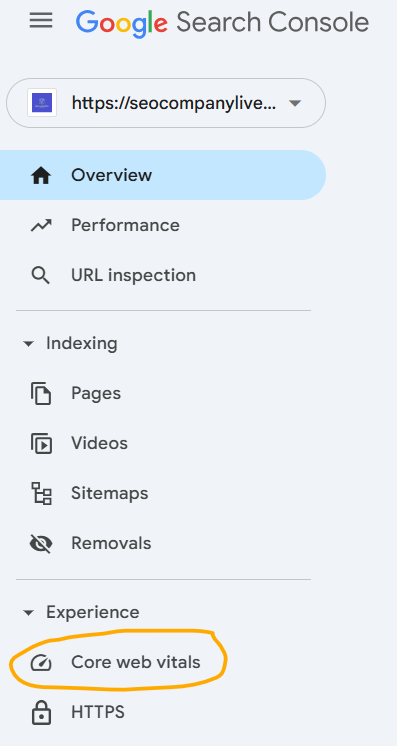
Core Web Vitals were integrated into Google Search Console in 2021, allowing website owners to monitor and optimise these metrics systematically. By doing so, Google aimed to reward sites that offer fast, responsive, and visually stable experiences with better search rankings, ensuring users find high-quality content efficiently.
Core Web Vitals are a subset of metrics used to measure specific elements of user experience on a website. These metrics, derived from real-world user data, include:
Largest Contentful Paint (LCP): Reflects loading performance by measuring the time it takes for the largest visible content to render. Ideally, this should happen within 2.5 seconds of the page starting to load.
First Input Delay (FID): Assesses interactivity by measuring the time from a user’s first interaction (like clicking a button) to when the browser processes that interaction. A good FID score is under 100 milliseconds.
Cumulative Layout Shift (CLS): Evaluates visual stability by tracking unexpected layout shifts during page load. A CLS score below 0.1 ensures a seamless user experience.
These metrics are integral to Google’s Page Experience signal, impacting search rankings and user engagement.
Each metric serves a distinct purpose in improving user experience:
LCP: Measures the speed of delivering meaningful content, which depends on server response times, image optimisations, and resource prioritisation.
FID: Tracks responsiveness by identifying delays caused by heavy JavaScript execution.
CLS: Ensures content remains visually stable, which often involves proper media dimensioning and reducing dynamic content shifts.
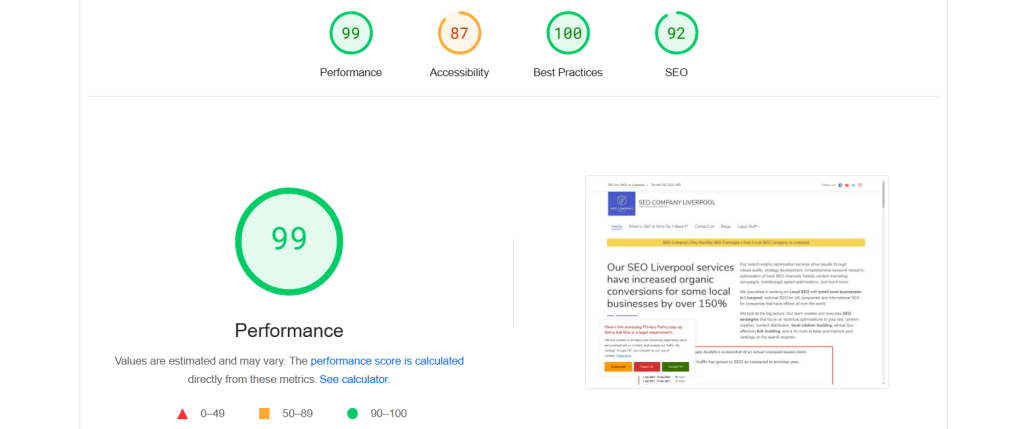
Website owners can use tools such as Google PageSpeed Insights and Lighthouse to analyse these metrics and implement tailored improvements.
Core Web Vitals are performance metrics developed by Google to evaluate a website’s user experience, focusing on aspects that directly influence satisfaction and engagement. They consist of:
Largest Contentful Paint (LCP): Measuring how quickly the largest visible element, such as an image or heading, appears on the screen. Faster LCP ensures users can see essential content almost immediately, reducing frustration.
First Input Delay (FID): Gauging the responsiveness of a page by measuring the delay between a user action, like clicking a button, and the browser’s response. Minimal FID indicates that users can interact with your site seamlessly.
Cumulative Layout Shift (CLS): Tracking unexpected movements of visual elements on a page. A low CLS score ensures a stable and visually pleasing layout, crucial for user satisfaction.
These metrics use real-world data from Chrome User Experience Report (CrUX) to reflect actual user experiences.
Enhancing Core Web Vitals involves targeted strategies for each metric:
LCP Improvements:
Server Optimisation: Ensure your server has low response times by adopting high-performance hosting and leveraging Content Delivery Networks (CDNs).
Image Optimisation: Compress and format images using modern standards like WebP to reduce load times.
Critical Rendering Path: Prioritise essential scripts and stylesheets to minimise render-blocking resources.
FID Improvements:
JavaScript Management: Break down large scripts into smaller, asynchronous tasks. Defer non-essential scripts to optimise the main thread.
Browser Caching: Store static resources locally to reduce reload times for frequent visitors.
Minimise Long Tasks: Use performance monitoring tools to identify and resolve tasks that hinder interactivity.
CLS Improvements:
Dimension Definition: Always specify dimensions for media elements to prevent content from shifting during page load.
Preload Key Resources: Fonts and essential assets should load predictably to ensure visual stability.
Avoid Dynamic Content Disruption: Refrain from injecting ads or dynamic content late in the loading process.
The three pillars of Core Web Vitals represent the key dimensions of user experience:
Largest Contentful Paint (LCP): Focusing on how quickly a page loads its most critical content.
First Input Delay (FID): Measuring the responsiveness of a site to user interactions.
Cumulative Layout Shift (CLS): Ensuring visual stability throughout the loading process.
Together, these metrics form the foundation of Google’s Page Experience ranking signal, setting a high standard for website performance.
Optimising Core Web Vitals can deliver substantial advantages:
Improved SEO: Sites meeting Core Web Vitals thresholds benefit from higher visibility in search engine results, as these metrics are now a ranking factor.
Enhanced User Experience: Faster load times, smooth interactions, and stable layouts lead to better engagement and reduced bounce rates.
Higher Conversion Rates: Studies show that even a one-second delay in loading time can lead to a 7% reduction in conversions, highlighting the financial impact of optimisation.
Better Mobile Performance: With the rise of mobile browsing, Core Web Vitals ensure a seamless experience across all devices.
While all metrics are crucial, Largest Contentful Paint (LCP) holds significant importance because it directly influences first impressions. Users are likely to leave a site if they have to wait too long to see meaningful content. Prioritising LCP not only enhances user experience but also improves SEO outcomes.
To meet Google’s standards:
LCP: Ensure meaningful content loads within 2.5 seconds.
FID: Keep response times under 100 milliseconds.
CLS: Maintain layout shifts below a score of 0.1.
Regularly monitor these metrics using Google Search Console and testing tools like Lighthouse. Implement recommended fixes iteratively to maintain compliance.
Yes, Core Web Vitals significantly influence SEO. Google considers these metrics as part of its Page Experience signal, rewarding sites that deliver exceptional user experiences with better rankings. Sites failing to meet thresholds risk reduced visibility, even with high-quality content.
Google uses real-world performance data from the Chrome User Experience Report (CrUX) to evaluate Core Web Vitals. This dataset aggregates anonymised user data, providing insights into how a website performs under various conditions. Additional tools like Lighthouse simulate these metrics during testing, offering developers actionable guidance.
Interaction to Next Paint (INP) is a newer metric proposed by Google to replace First Input Delay (FID). Unlike FID, which measures only the delay of the first interaction, INP evaluates the latency of all interactions throughout a user’s session. This provides a more comprehensive view of interactivity and responsiveness.
To enhance INP:
Reduce Processing Delays: Identify and address JavaScript bottlenecks using tools like Chrome DevTools.
Asynchronous Updates: Break up long-running tasks and use asynchronous operations to improve responsiveness.
Optimise Animation and Rendering: Ensure animations run smoothly without blocking user input.
By focusing on these areas, you can achieve significant improvements in overall user satisfaction. For professional assistance, SEO Company Liverpool offers tailored solutions to optimise Core Web Vitals and drive performance improvements.
We'll carry out a full review of your website and digital presence — covering technical health, keyword opportunities, competitor gaps, and quick wins — then walk you through exactly what we'd do to improve your rankings. No jargon, no hard sell.
No contracts · No commitment · Just honest advice

Nadeem has a Masters in Business Administration (MBA) with a major in Marketing and has over 30 years of diverse marketing experience, of those 20 years in Digital Marketing.
He is a Fellow of the Chartered Institute of Marketing (FCIM) and also a Fellow of the Institute of Data and Marketing (F IDM). He also received GDPR Award from IDM allowing him to offer professional advice to businesses on implementing new procedures necessary for General Data Protection Regulation compliance readiness.
Nadeem has spent many years working with large national and multinational organisations, including some famous household names, in a variety of industry sectors in USA, Middle East, Asia and of course, the UK. In 2017 he was included in the Sage Top 100 Global Business Influencers. As per Sage, “These individuals are both knowledgeable and, often, highly influential within the SME sector. Their views help to inform the decisions of thousands of business owners across the globe.”
What is a fellow of the CIM (Chartered Institute of Marketing)?
Fellow (FCIM) members are the most experienced marketers with many years of senior strategic experience. Whether they hold a marketing director position or operate as a marketing consultant, FCIMs are considered leaders in their field.